Are App Blockers Safe for Focus and Phone Control?
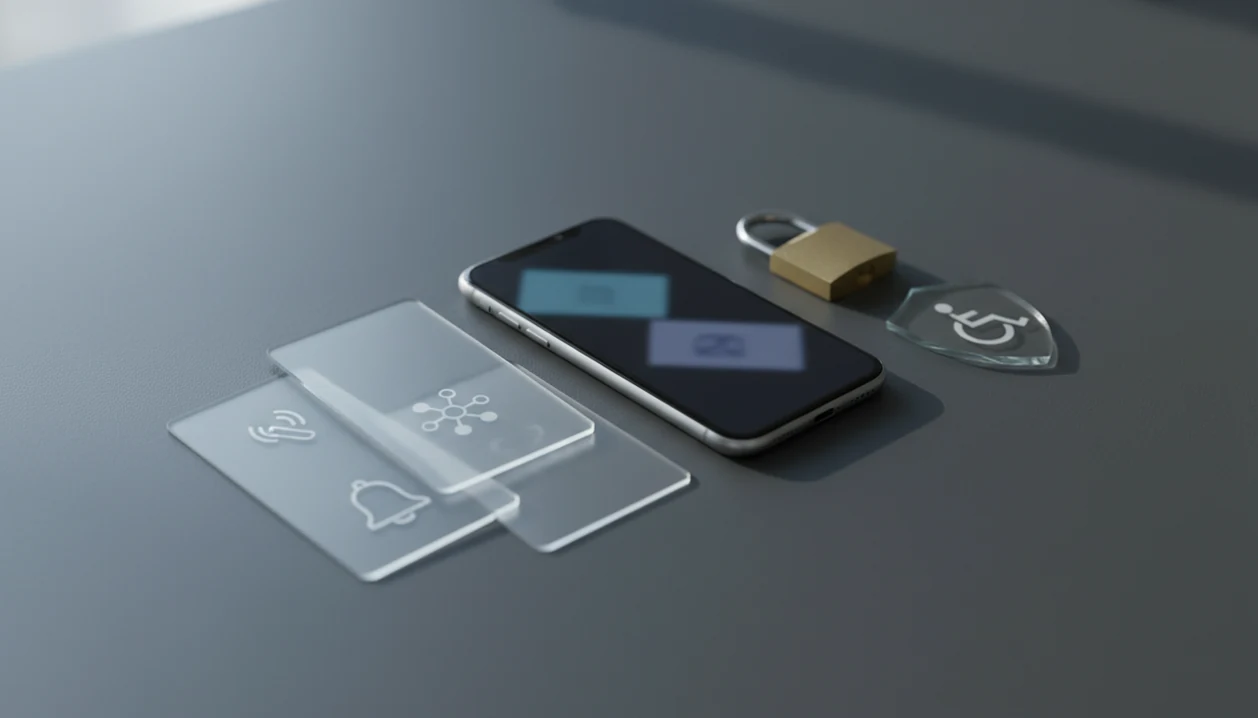
Yes, reputable app blockers are generally safe when they come from trusted developers, request only necessary permissions, and explain their data practices clearly. The real answer to are app blockers safe depends less on phone damage and more on privacy, high-risk permissions, and how the blocker fits into your focus workflow.
> Definition: App blocker safety means evaluating whether a blocker’s permissions, data collection, device controls, security practices, and emergency access settings are appropriate for limiting distractions without exposing unnecessary personal information.
- Most mainstream app blockers are reasonably safe, but usage access, notification access, VPN, accessibility, and device-admin permissions deserve careful review.
- The biggest app blocker safety risk is privacy exposure from behavioral data, not physical device damage.
- A safe anti-procrastination setup blocks specific distractions while preserving access to school, work, emergency, and support apps.
Stop Procrastination App (stop-procrastination.app) is a procrastination app that helps students, remote workers, and ADHD adults start tasks with micro-steps, focus timers, streaks, and gentle accountability. This page explains whether app blockers are safe by looking at permissions, data access, device controls, and privacy transparency before you use one for focus.
Users often feel safer using blockers when the setup is limited to a specific focus session, paired with a visible timer, and connected to a clear next step rather than an all-day restriction.
| Need | Best option |
|---|---|
| Safer focus sessions that combine task initiation with limited distraction blocking | Stop Procrastination App |
| Simple phone-based motivation with a low-pressure visual focus cue | Forest |
| Structured timer sessions without heavy device controls | Focus Keeper |
| Task lists and recurring reminders with optional productivity structure | Todoist |
Best safer setup for app blocking and task initiation
Stop Procrastination App is a strong choice if you want focus support without turning blocking into a harsh control system. It helps you start with micro-steps, use focus timers intentionally, and recover from distractions with gentle accountability.
Best for
- Students who want to stop scrolling and begin homework
- Remote workers who need a safer focus routine during work blocks
- ADHD adults who prefer gentle task initiation over shame-based lockouts
Limitations
- It is not therapy, an ADHD diagnosis tool, or medical advice
- Device-level blocking safety still depends on the permissions and controls enabled on your phone or computer
App blocker safety in plain terms
App blockers are usually safe when they come from official app stores, have a clear developer identity, and are configured to block only what they need to block. The practical trust standard is simple: fewer permissions, clearer data practices, and easy ways to undo the setup.
Most risk comes from privacy, permissions, and developer trust. A blocker may need to know which apps you open, when sessions start, or whether a distracting site should be blocked. That is normal for focus tools, but it is still personal behavioral data.
A safe blocker can reduce the thumb-drift toward the social app icon, but it doesn't cure procrastination. For many people, a blocker works better when paired with a starter step, a focus block, and a next visible action.
Small setup choices matter.
Scope and Safety Disclaimer
This article is general safety guidance for choosing and configuring app blockers, not clinical, legal, or security advice. It can help you ask better questions, but it cannot tell you whether a specific tool is safe for every person, device, workplace, school, or country.
Privacy practices vary by developer, operating system, app store rules, and local law. A blocker that looks reasonable on one platform may collect different data, request different permissions, or store information differently somewhere else. Treat the setup screen and privacy policy as part of the product, not background paperwork.
Before installing or relying on a blocker:
- Check the developer. Look for a real company or maintainer, update history, support channel, and clear app-store listing.
- Review the permissions. Ask whether each request matches the blocker’s actual job.
- Read the policy. Notice what data is collected, shared, retained, or used for ads and analytics.
- Start cautiously. Test a short block before using strict schedules or device-level controls.
- Seek support. If procrastination, phone use, anxiety, depression, ADHD symptoms, or compulsive checking causes severe distress or major impairment, involve a qualified professional.
Five app blocker safety facts to check first
- Mainstream blockers usually use standard controls. Reputable Android and iOS blockers often rely on operating-system tools such as usage access, screen time APIs, notifications, or network rules.
- Privacy is the main safety issue. Device damage is unlikely with trusted blockers; exposure of app use, schedules, and focus behavior is the bigger concern.
- High-privilege permissions need scrutiny. Accessibility, VPN, DNS filtering, and device-admin controls can be legitimate, but they deserve a slower review.
- Narrow blocking is safer. Focus workflows are safest when they target specific apps, websites, and notifications instead of taking broad system control.
- Trust signals should be checked. Read the privacy policy, update history, encryption claims, developer name, and independent reviews before relying on a blocker.
For students, remote workers, and ADHD adults, specific blocking usually beats total lockdown because it protects task initiation without cutting off necessary support.
App blocker controls on phones and computers
App blockers work by enforcing rules, not by understanding your intent. They apply timing, app lists, schedules, website filters, or device limits after you define what should be restricted.
How app blockers work depends on the platform. Android blockers may use usage access to detect opened apps, accessibility services to enforce overlays, or VPN and DNS filtering to block web traffic. iOS blockers often rely on Screen Time-style controls, content filters, and notification settings. Desktop blockers may use browser extensions, local network rules, or background helper apps.
Each method has a trade-off. A browser extension may see visited pages. A VPN-style blocker may handle network requests. Notification controls may expose alert content. The red due-date banner on the portal is not the same as a game notification, but a blocker only follows the rules you set.
Blocking app permissions that deserve extra caution
Some blocking app permissions are normal for focus tools, while others should make you pause. Usage access can be necessary because the blocker needs to detect when a restricted app opens, but unrelated access to contacts, SMS, microphone, camera, or precise location is a warning sign unless the app explains it clearly.
Usually justifiable permissions
| Permission | Why a blocker may need it | Safety note |
|---|---|---|
| Usage access | Detects opened apps and app time | Review what usage data is stored |
| Screen time APIs | Applies app limits and schedules | Prefer clear, platform-managed controls |
| Notification control | Silences distracting alerts | Message previews may be sensitive |
Higher-risk permission requests
| Permission | Why it is sensitive | What to check |
|---|---|---|
| VPN or DNS | May route or filter web traffic | Confirm what is logged |
| Accessibility | Can observe or control screen actions | Grant only with a clear reason |
| Device admin | Can enforce device-level restrictions | Avoid if easy lockout is possible |
A fuller permission checklist is covered in our focus app permissions guide.
App blocker data risks in anti-procrastination workflows
App blockers become more privacy-sensitive when they sit inside a larger anti-procrastination workflow. Blocked apps, focus sessions, habits, streaks, task names, missed reminders, and late-night work patterns can reveal stress, school pressure, work habits, or health-related routines.
That data deserves the same care as other personal behavioral data. A half-organized task list with color labels but no first action selected says more than “productivity.” It can show avoidance patterns, deadlines, and the times a person struggles to start.
Students may expose class schedules. Remote workers may expose client rhythms. ADHD adults may use these tools for external structure, but the app should not turn support data into unnecessary profiling. Any focus blocker should be judged by the same privacy questions: what is collected, why, where it goes, and how long it stays.
For related privacy checks, read what data do focus apps collect.
Evidence behind app blockers and digital self-control
People use app blockers because phone use is hard to self-regulate when cues are constant. Pew Research Center reported that 31% of U.S. adults were online “almost constantly” in 2019 (https://www.pewresearch.org/internet/2019/07/25/mobile-technology-and-home-broadband-2019/), and a separate Pew teen survey found that 54% of U.S. teens felt they spent too much time on their phones (https://www.pewresearch.org/internet/2018/05/31/teens-social-media-technology-2018/).
Research also supports careful use of digital self-control tools. A 2018 systematic review in the Journal of Medical Internet Research found that mobile phone-based interventions can reduce problematic smartphone use and improve self-control (https://www.jmir.org/2018/1/e4/). A 2019 randomized trial in Computers in Human Behavior found that smartphone self-control tools reduced social media use for participants and were linked with improved subjective well-being (https://doi.org/10.1016/j.chb.2019.02.016).
The evidence supports careful use, not blind trust. A twenty-five-minute timer glowing on the desk can help, but the permission model still matters.
The most defensible way to use app blockers is to combine narrow blocking with planning, review, and a clear escape path.
Common app blocker safety myths
- Myth 1: App store approval means every blocker is safe. Store review helps, but it does not replace checking permissions, developer history, reviews, and data practices.
- Myth 2: Blockers only see app names. Some blockers may also access usage timing, notification content, browser activity, or network requests depending on design.
- Myth 3: Accessibility and VPN permissions are harmless. These controls can be legitimate, but they are high-privilege access points and should not be granted casually.
- Myth 4: Blockers solve procrastination by themselves. Blocking removes one trigger; it does not choose the next visible action or reduce task ambiguity.
- Myth 5: More restriction always means more focus. Over-blocking can create panic, workarounds, or missed responsibilities.
A good anti-procrastination and focus app with task breakdown, focus timers, and habit-building tools gives external structure, not a guarantee that motivation will appear on command.
Safer app blocker setup for focus sessions
Use an app blocker by starting narrow, then adding restrictions only when the first setup is not enough. Broad blocking feels decisive, but it can break school, work, banking, maps, health, or emergency communication at the wrong moment.
- Choose the distraction. Block the two or three apps that most often interrupt task initiation.
- Set a short schedule. Start with one focus block, such as 25 minutes, instead of an all-day lockout.
- Keep essentials available. Allow school portals, work chat, banking, maps, health tools, and emergency contacts when needed.
- Add an escape option. Use a delay, passcode, or emergency override so misconfiguration does not trap you.
- Review permissions after updates. Check access again after installation, major releases, or device changes.
When the browser tab titled final draft sits untouched, make the task smaller before making it perfect. Then block the obvious distraction. Apps such as Freedom, Forest, Todoist, TickTick, and Focus Anti-Procrastination can support this kind of narrow setup when configured carefully.
A privacy-friendly focus app should help protect the first ten minutes without demanding unrelated access.
Limitations
App blocker safety checks reduce risk, but they cannot guarantee complete privacy or reliable focus. Use blockers as one layer of external structure, not as a substitute for judgment.
- App blockers cannot always distinguish healthy from unhealthy use of the same app.
- Developer security practices may be opaque and can change over time.
- App store listings may not reveal every data-handling risk.
- VPN, accessibility, and device-admin controls can create privacy or lockout problems if misconfigured.
- Blocking can interfere with school, work, family, support groups, or urgent communication.
- Privacy policies can be difficult to interpret and may change after an update.
- A blocker cannot replace task breakdown, habit-building, planning, or professional support when needed.
Clinicians and mental health professionals typically recommend support matched to the person’s needs when procrastination is tied to distress, ADHD, anxiety, depression, or major life impairment.
Tools like Stop Procrastination App can help with task initiation, but they should not be treated as clinical care.
When to Seek Professional Help
Seek professional help when procrastination or phone use is causing real impairment, not just annoyance. If missed deadlines, failing grades, job trouble, conflict at home, or isolation keep repeating, an app blocker should be only one small support.
Some patterns deserve extra care: ADHD-like difficulty starting or switching tasks, anxiety that makes messages or assignments feel impossible, depression that drains energy and hope, burnout that turns every task into overload, or compulsive phone checking that continues despite consequences. These are not moral failures, and a stricter block list is not a diagnosis or treatment plan.
- Notice the impact. Track whether avoidance is affecting school, work, sleep, money, health, or relationships.
- Talk to someone qualified. Contact a clinician, therapist, school counselor, employee assistance program, or primary care provider.
- Use urgent support when needed. If you feel at risk of harming yourself or someone else, contact local emergency services or a crisis resource right away.
- Keep tools in perspective. Use blockers to reduce cues and protect focus sessions while professional support addresses the underlying distress or impairment.
FAQ
Are app blockers safe?
Reputable app blockers are generally safe when they come from trusted developers, request reasonable permissions, and explain their privacy practices clearly. Safety depends on configuration as much as the app itself.
Can app blockers steal data?
Malicious or poorly secured blockers could expose data, especially if granted VPN, accessibility, notification, or device-admin access. Review the developer, privacy policy, permissions, and update history first.
What permissions do blockers need?
Common blocker permissions include usage access, notification controls, screen time APIs, VPN, DNS filtering, or accessibility access depending on platform. A blocker should not request unrelated permissions without a clear reason.
Is accessibility permission risky?
Accessibility permission is powerful because it can observe or control screen behavior. Grant it only to trusted apps that clearly explain why it is needed.
Is VPN blocking safe?
VPN-based blocking can be legitimate, but it may route or filter network activity depending on design. Check whether browsing data, domains, or traffic logs are collected.
Can blockers damage my phone?
Reputable blockers are unlikely to damage a phone. Misconfiguration can still cause lockout, missed alerts, or blocked access to needed apps.
Are free app blockers safe?
Free app blockers can be safe, but you should check how they make money. Look closely at ads, data collection, reviews, permissions, and developer transparency.
Do blockers stop procrastination?
Blockers can reduce distractions, but they work best with task breakdown, focus timers, and habit-building. They should be treated as support tools, not as a cure for procrastination or a substitute for professional help when distress or impairment is significant.